The meaning of Dumpster Empty-and-Return can vary by provider, so begin with what the project needs to accomplish and where the work will happen. This version highlights property access.
For property access, a useful way to handle this emphasis is to describe the physical site, the requested timing, and the consequence if access or service cannot happen as planned. It also makes it easier to compare options without assuming identical rental terms.
Start With the Rental Need
Dumpster planning is easier when the provider knows the project type, likely waste stream, rough amount, placement area, access path, rental duration, and desired pickup sequence.
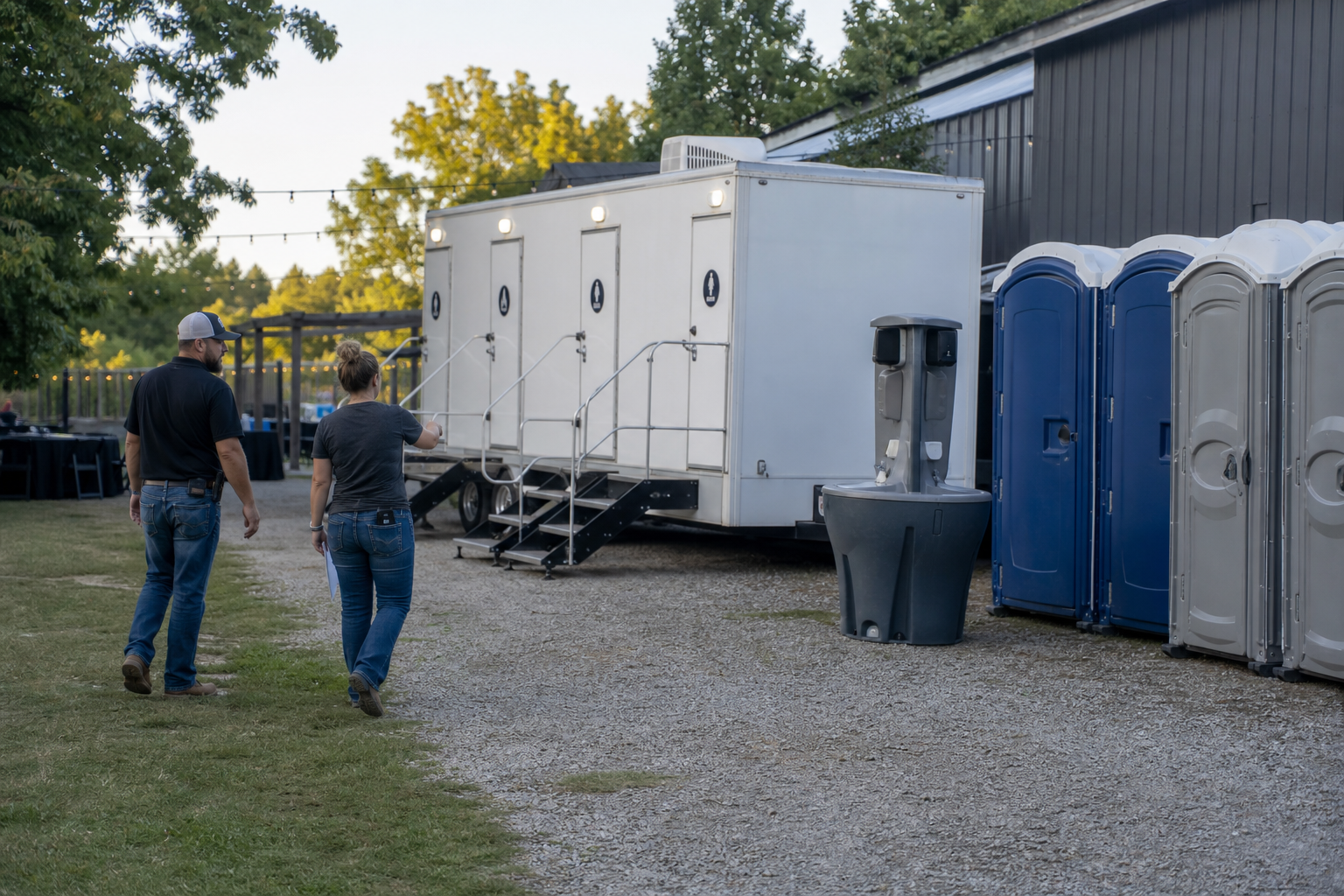
If you are arranging portable toilets, tell the provider the event or worksite type, expected attendance or crew size, duration, desired equipment, hygiene needs, and access constraints.
Start with the service-category cards on this page for category-level guidance and use the service options already shown on this page for the service that most closely reflects the work, event, or cleanup.
Choose the Right Service Path
A provider may serve one part of a city differently from another, so give the complete address, ZIP code, and any access note that could affect the route. Location context may include Wewa Highway, North Tyndall Parkway, South Tyndall Parkway, Tyndall Parkway, Kristine Boulevard, North Berthe Avenue, North Gay Avenue, North Kimbrel Avenue when that makes the site easier to describe.
Delivery and servicing can depend on the approach path, so call out tight turns, access codes, gates, overhead obstacles, parking rules, soft ground, or narrow time windows.
Use the local-area information already shown on this page and the nearby-area section already shown on this page only when a neighborhood, community, or nearby place adds useful location context.
More helpful information
Prepare the Site Before Scheduling
For property access, prepare the facts that affect the request:
- Gate, driveway, surface, parking, clearance, or staging constraints
- Questions about material, weight, usage, service frequency, or rental terms
- A nearby road, cross street, entrance, or access cue when useful
- Whether more than one rental or service type may be needed
- Any timing window that affects entry, setup, servicing, or removal
Confirm the complete service scope rather than assuming it: what equipment is supplied, when it arrives, how long it stays, how service works, when it leaves, and what limits apply.